About Electrolytic Preparation
A fast and efficient method.
Electrolytic preparation is a fast and efficient method for metallographic preparation, providing a deformation-free surface, whereas mechanical grinding and polishing tends to leave a thin deformation layer at the surface.
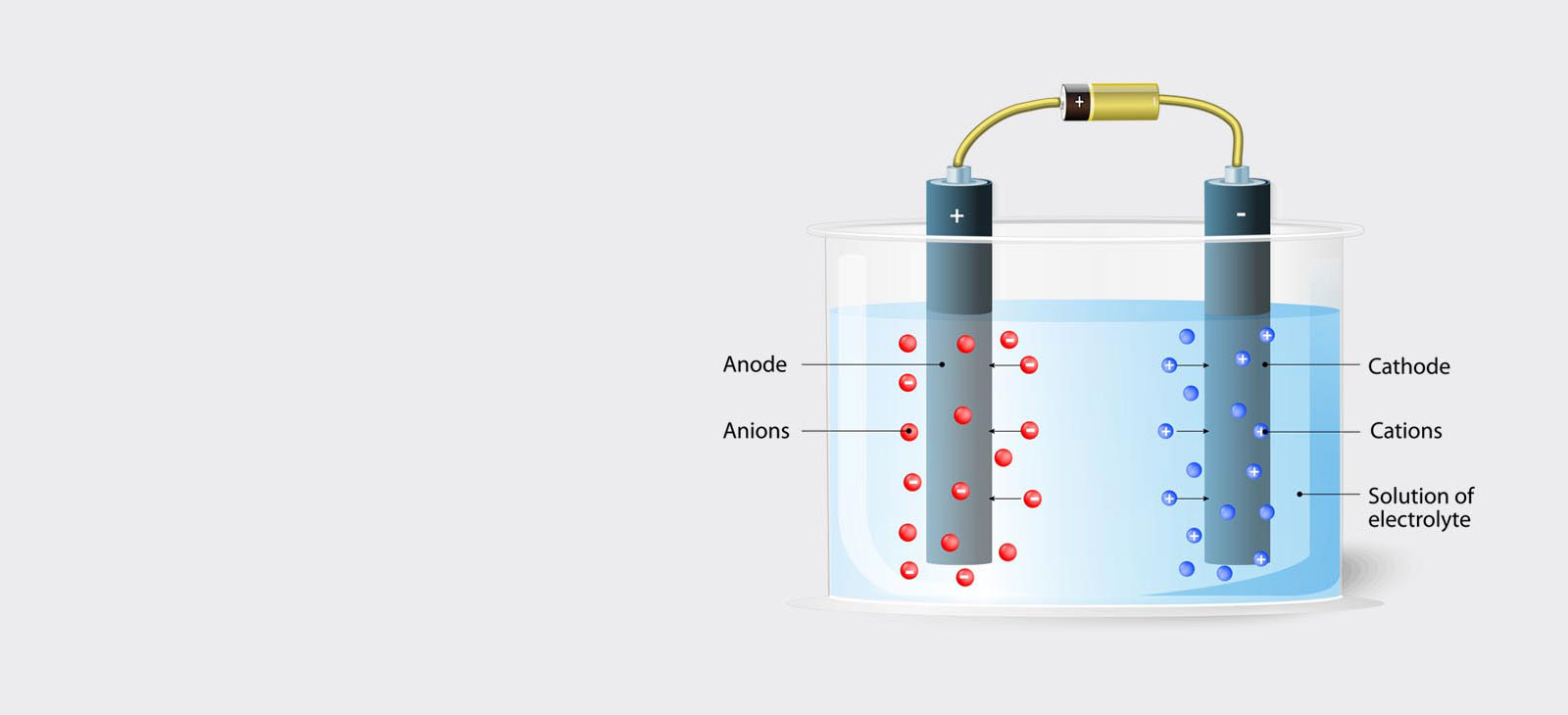
Using the electrolytic polishing equipment, the specimen is configured as the anode in a suitable electrolyte, and material is removed by controlled dissolution of the surface of the specimen. Electrolytic polishing can be followed by an electrolytic etching process to bring forth contrasts in the microstructure of the specimen.
How to Do Electrolytic Preparation
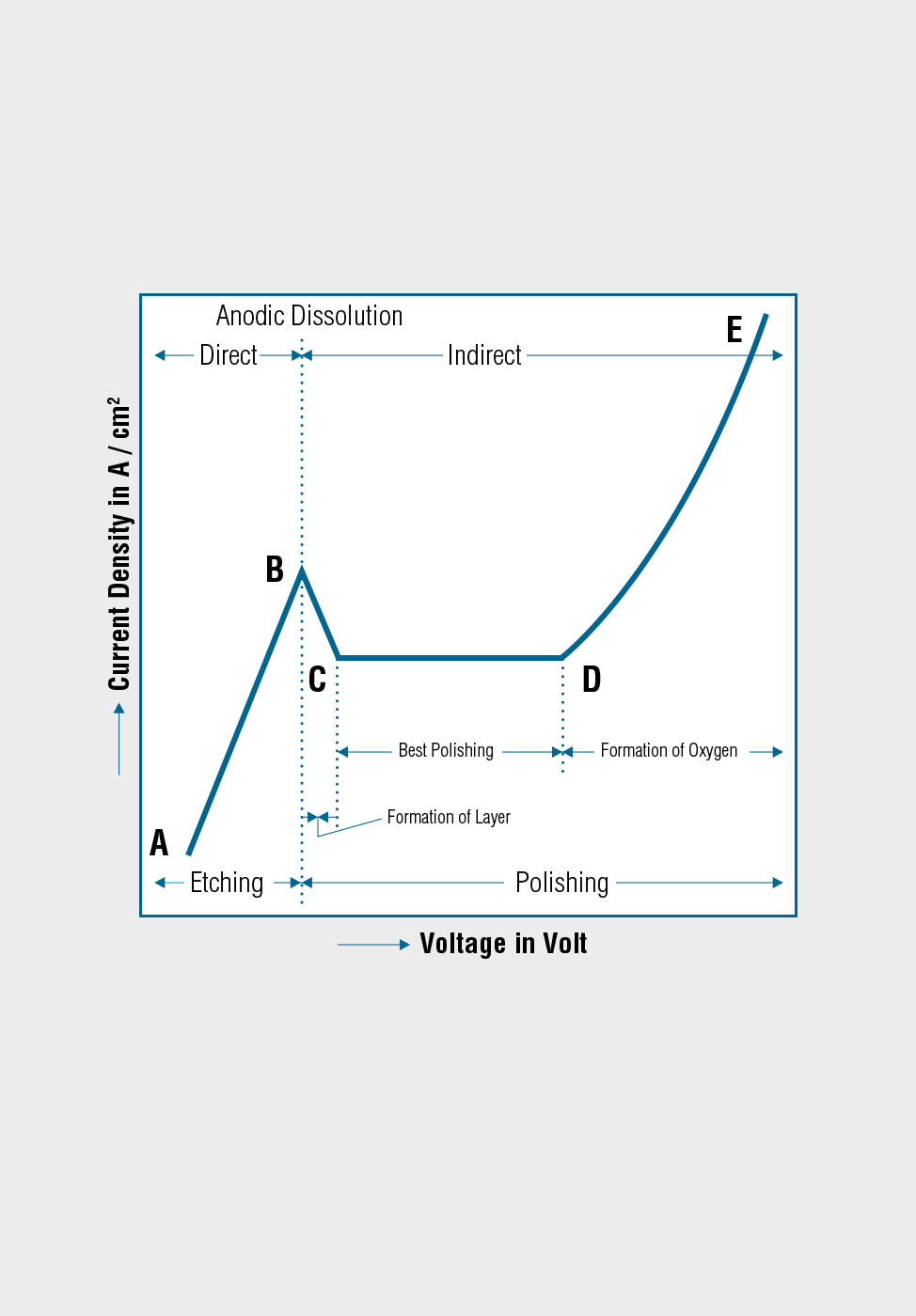
To do electrolytic preparation, the right method needs to be selected. Struers’ equipment contains ten standard methods for different materials. If these standard methods do not fit the material, a correct electrolyte can be selected from the Selection of Electrolyte list. Having selected the correct electrolyte for your purpose, it is necessary to determine the polishing voltage. This is done using a scan function that is built into the electrolytic preparation equipment.
Correct application settings
After placing a specimen on the polishing table, a pre-defined voltage range is scanned to determine the current density curve. This curve is used to define the correct polishing voltage for the polishing or thinning process. The other parameters to be determined are polishing time and the flow rate. Once the correct application settings have been determined, they can be stored in the database and recalled for subsequent polishing tasks.
Safety is important
Safety is a key word when dealing with electrolytes, and all users must be familiar with the relevant safety procedures.
How to do electrolytic preparation
Looking for consumables?
Order your consumables directly from our Webshop.
Partner with the industry expert
No matter what you need, Struers has a solution that fits. Contact us today to start your own optimization process.
Electrolytic preparation insight | Struers.com
Get expertise, tips and insight into metallographic electrolytic preparation from Struers – the world’s leading materialographic and metallographic experts – to ensure a fast and efficient process and a deformation-free surface.