About Automated Image Analysis
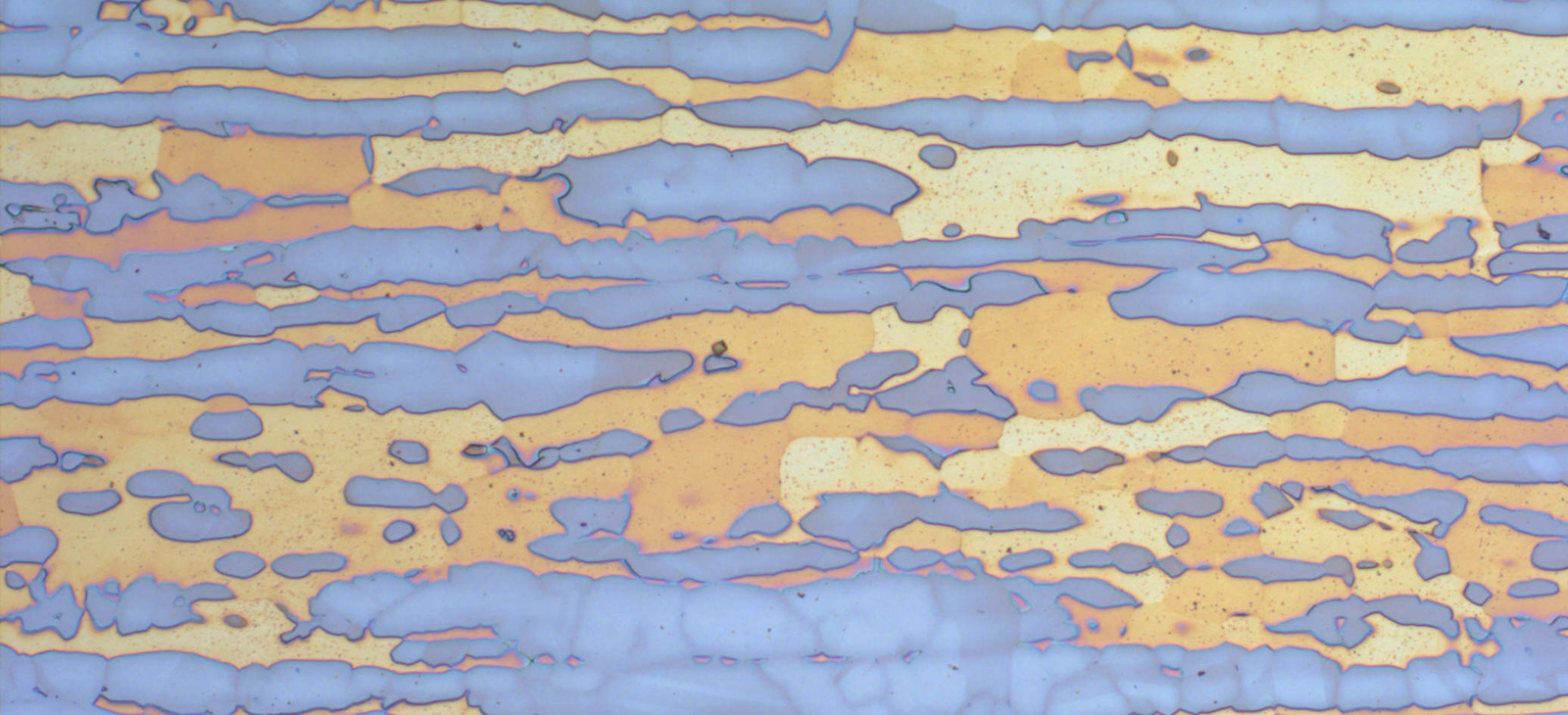
In materialography, automated image analysis most often refers to digital quantitative evaluation of a microstructure image.
Quantitative measurements are typically length, width, and area, and are used for the evaluation of materialographic characteristics such as grain size, inclusions, layers, and phases or other constituents.
Digitalization of images enables the handling of high volumes of data, in order to ensure a statistical basis.
Software automation
Software automation eliminates the time-consuming process of manual identification, counting, or comparison. This can be facilitated, principally, in two different ways:
- Advanced universal software which is typically used by experts for a large variety of analyses
- Simpler and dedicated software that is optimized to a single or a few standardized analyses
How to Do Automated Image Analysis
Using automated image analysis to measure the dimensions of microstructural features includes six main process steps, which should be carried out and, if relevant, aligned with the applied standard.
Choosing a representative specimen that includes the information of interest
Ensuring an artifact free surface which will not disturb the automatic image analyses systems
Enhance contrast and ensure focus
Transforming the analog live image into a digitalized capture
Remove disturbing information – improve image with software filters to improve contrast, for example
Output from the complete analysis process
Metallographic image analysis insight | Struers.com
Learn all you need to know about materialographic image analysis – from specimen selection and preparation through to illumination, digitization and processing – with expertise and insight from Struers, the world’s leading materialographic and metallographic experts.