About Mineralogy and Thin Sections
The purpose of preparation of rocks, minerals, ceramic, and biological specimens is most often:
- Classification of rocks
- Identification and mapping of minerals: dating or exploration, for example
- Analysis: major and trace elements, textural studies, or isotopic composition, for example
- Studies of fluid inclusions
- Studies of microfossils
- Studies of rock fabrics, e.g. porosity and permeability
- Studies of texture and age of bones/teeth
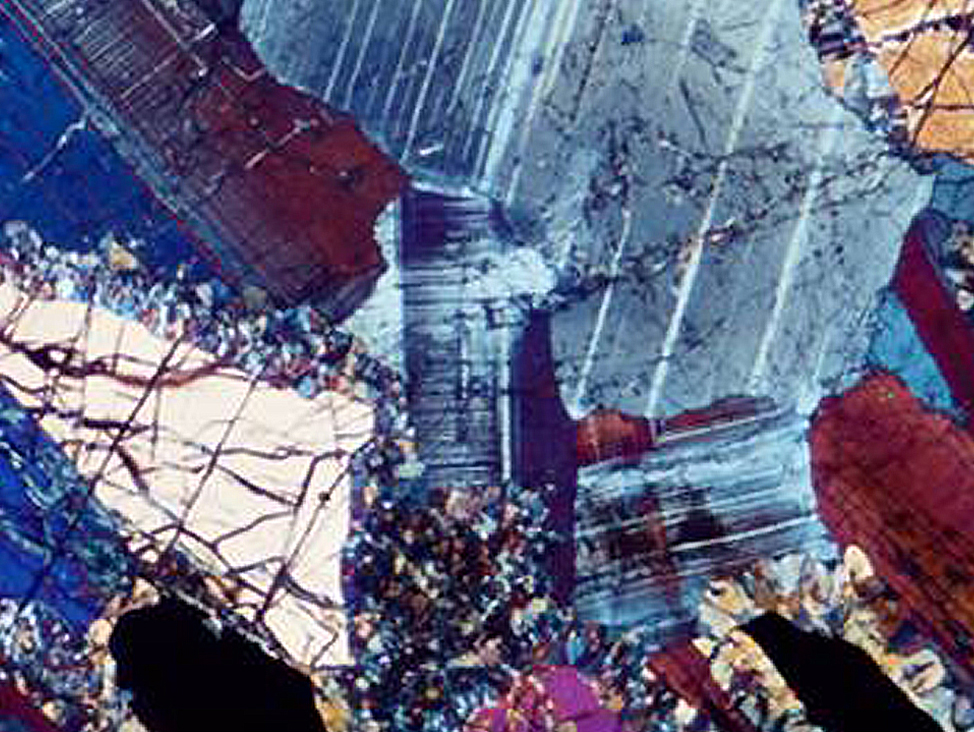
Specimen Types
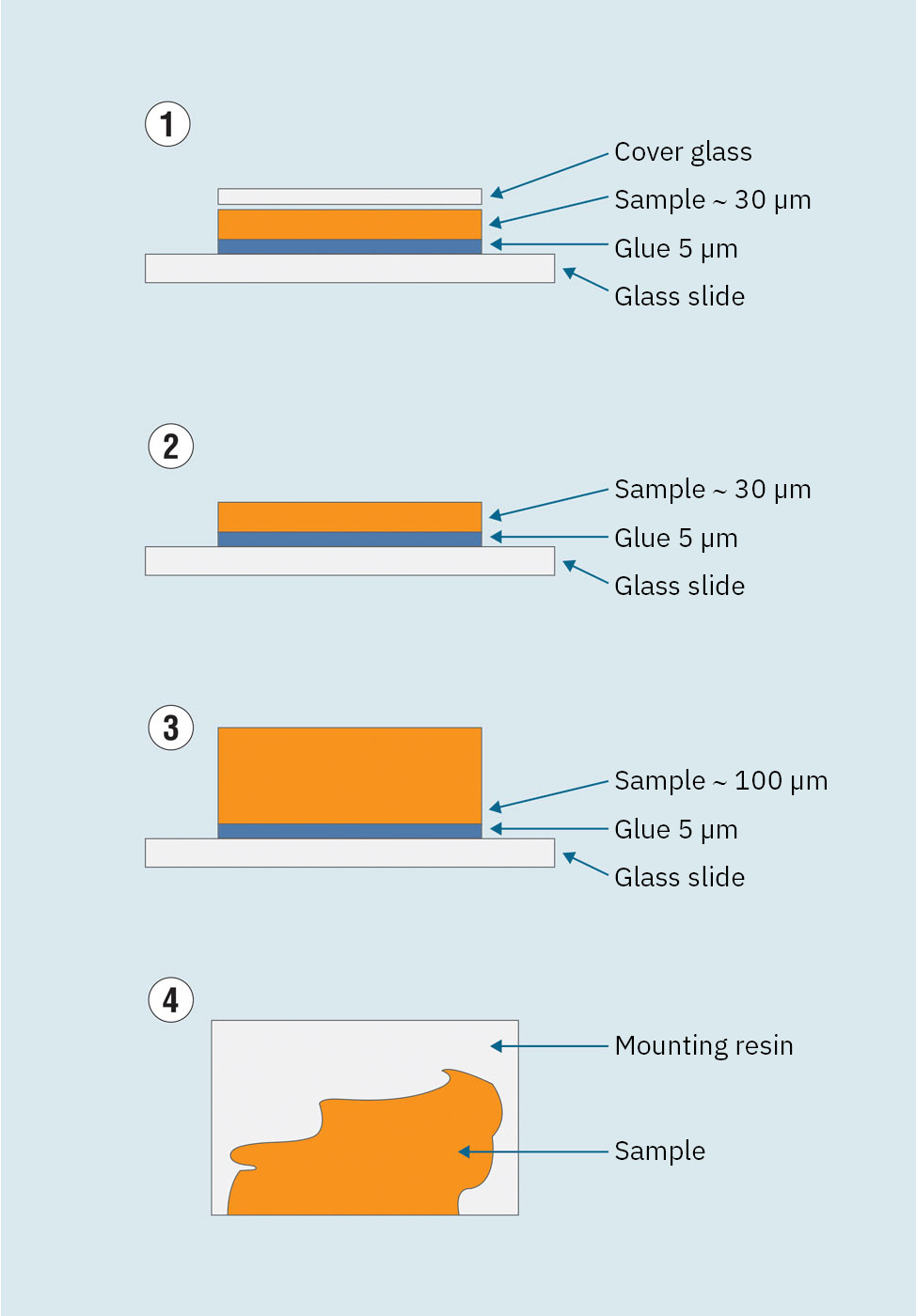
Specimen types can be split into four groups:
- Thin Sections (30µm) (+ cover glass) - for examination in transmitted light or electron microscope/probe
- Polished Thin sections - for examination in transmitted/reflected light or electron microscope/probe
- Thick Sections (~100µm) - for examination in reflected light or electron microscope/probe
- Polished blocks/mounts - for examination in reflected light or electron microscope/probe
Specimen types 1)+2)+3) all have “special requirements” from a materialographic point of view. Differences between the three types are characterized by surface finish and specimen thickness. Specimen type 4 is a more conventional materialographic specimen in terms of requirements. The same mineralogical material will have similar preparation methods across the four different specimen types, as the material characteristics are decisive for all the preparation steps.
Specimen Types
How to do mineralogical and thin section preparation
How to Do Thin Sections
The production of thin sections is a multistep process which requires highly specialized equipment.
Combining the equipment, the consumables, the work process, and method depends on the type of specimen. A general workflow is described. Mineralogical specimens will be described in more detail below.
- Sampling from larger section
- Cutting of a specimen to 20 x 30 x 8.0 mm, for example
- Grinding or lapping of the specimen to complete planeness
- Grinding of glass slide to complete planeness and a well-defined thickness
- Cementing the specimen to a glass slide using vacuum impregnation
- Cutting off surplus specimen material to a thickness of 0.5-2.0 mm.
- Grinding of thin sections to a thickness of 80 µm
- Grinding or lapping of a thin section to a final thickness of section + resin 30 µm, for example
- Polishing of thin sections removing approximately 10 µm.
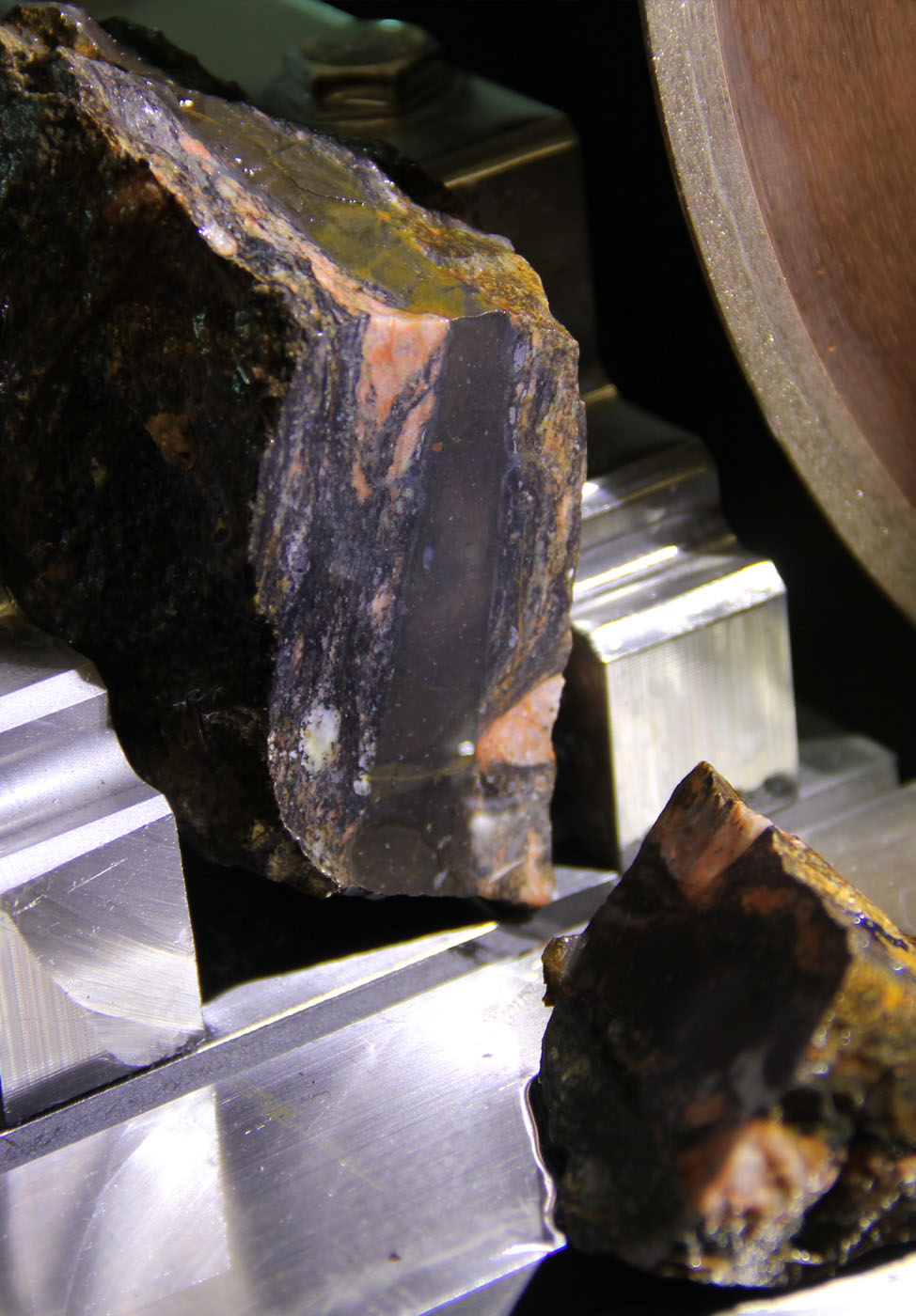
Sampling
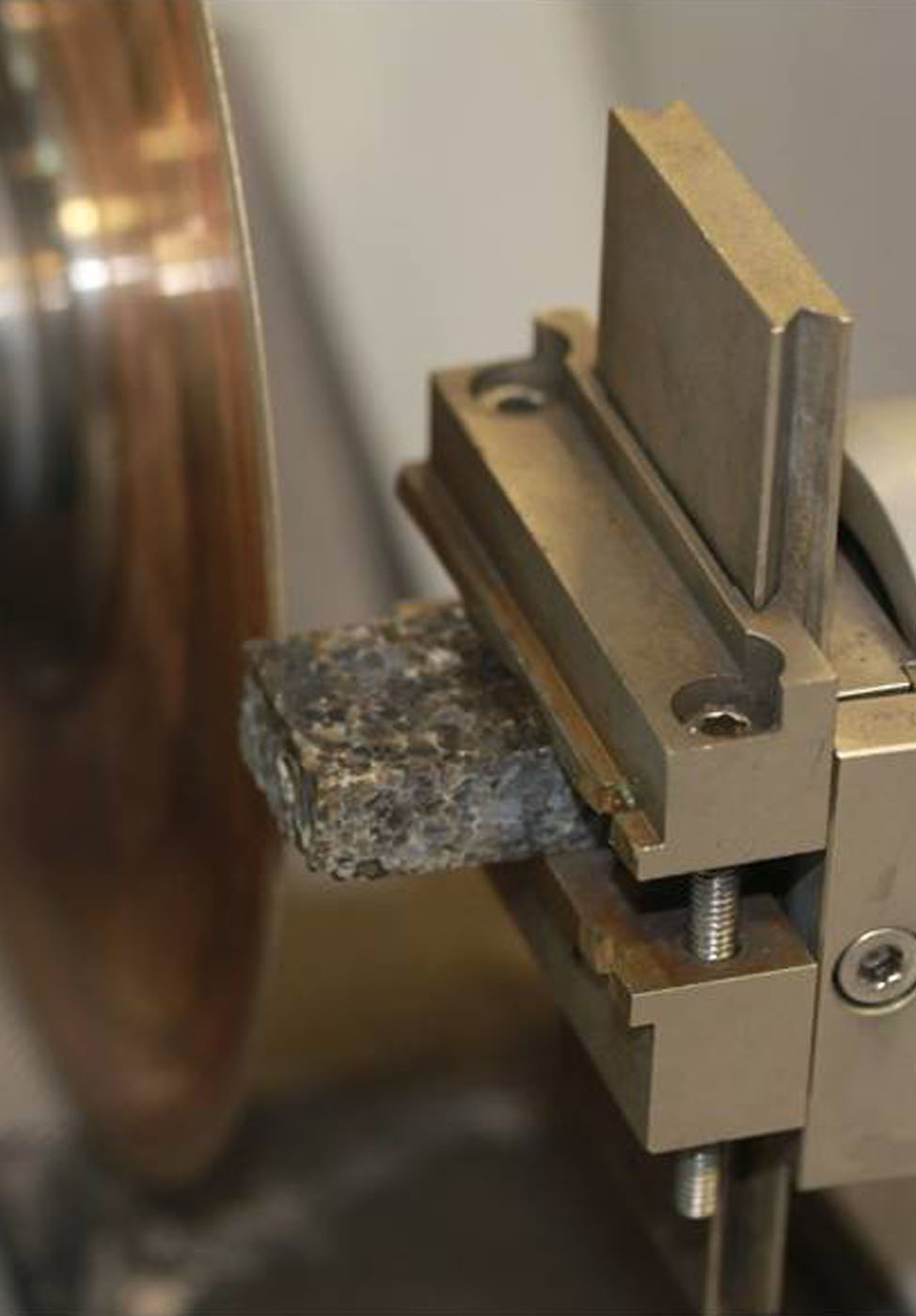
Cutting
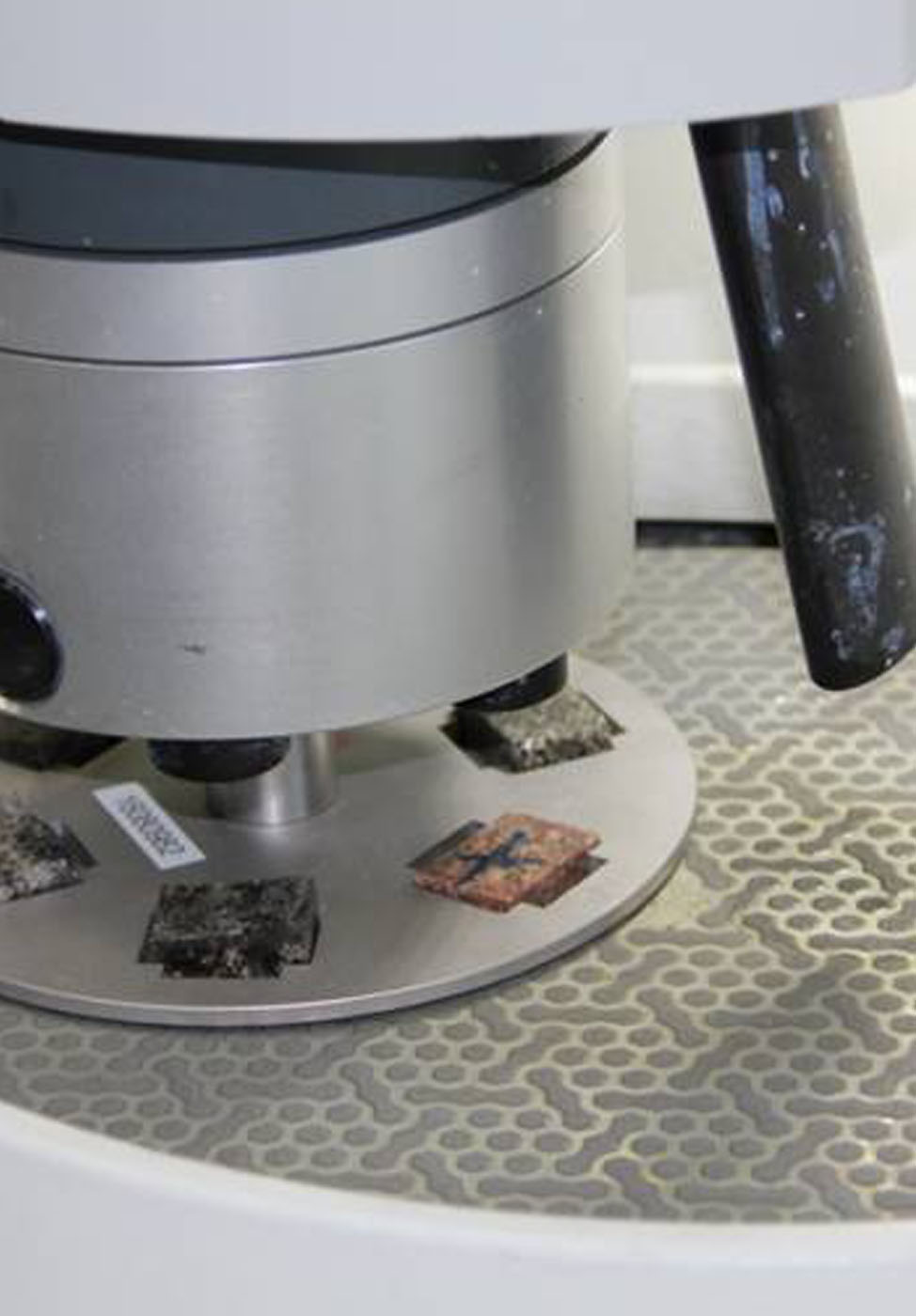
Grinding or lapping

Cementing the specimen
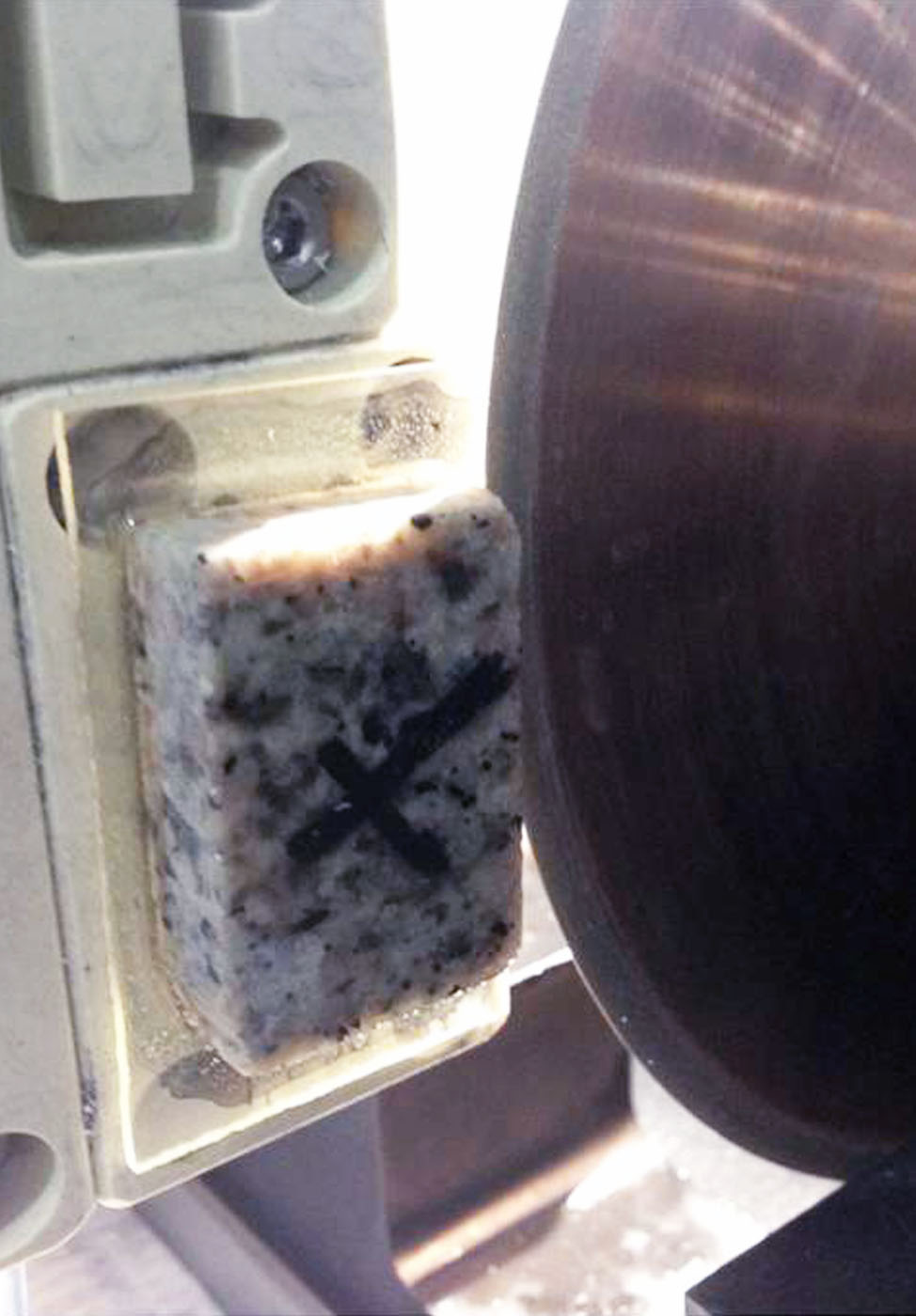
Cutting off surplus
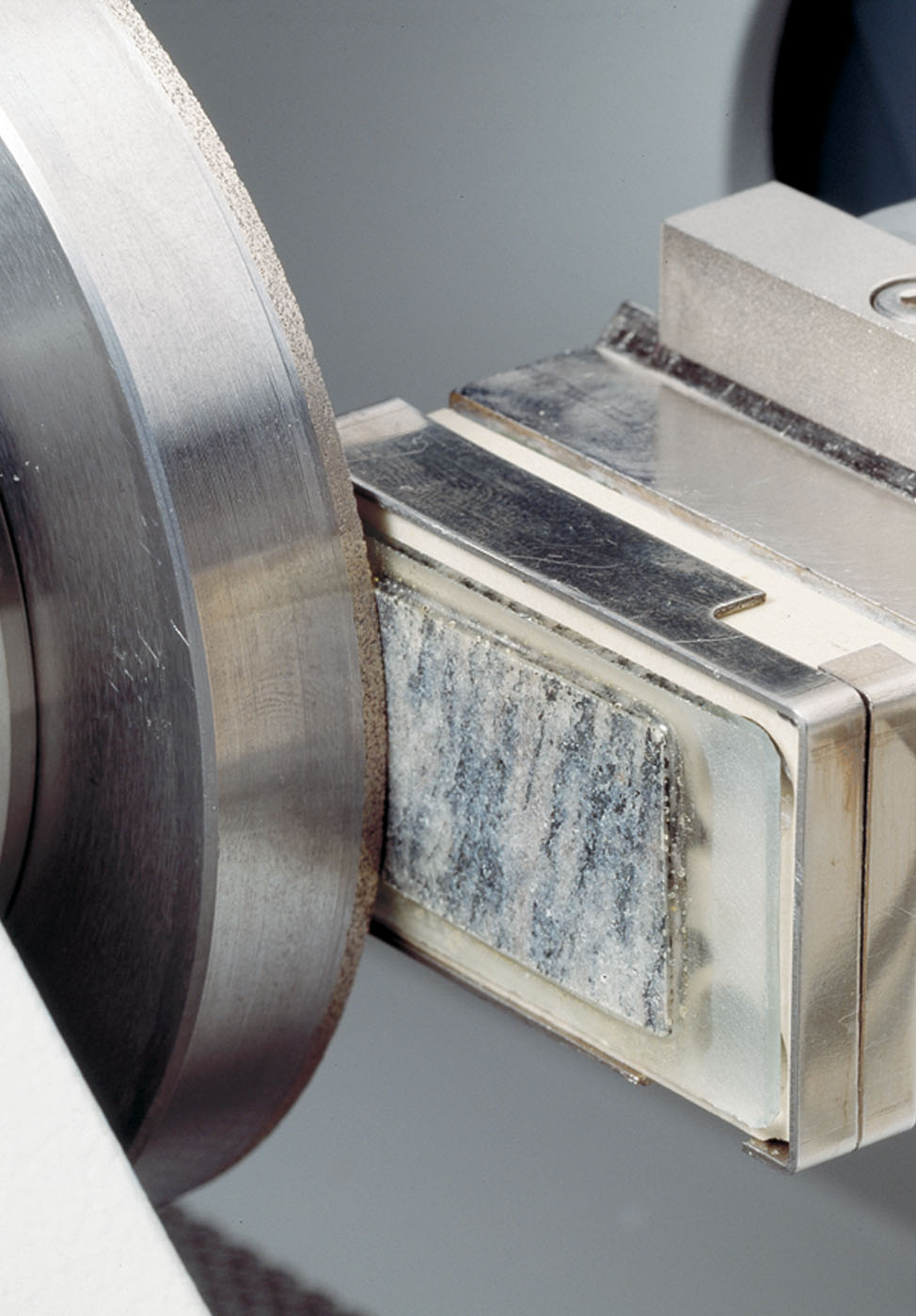
Grinding of thin sections
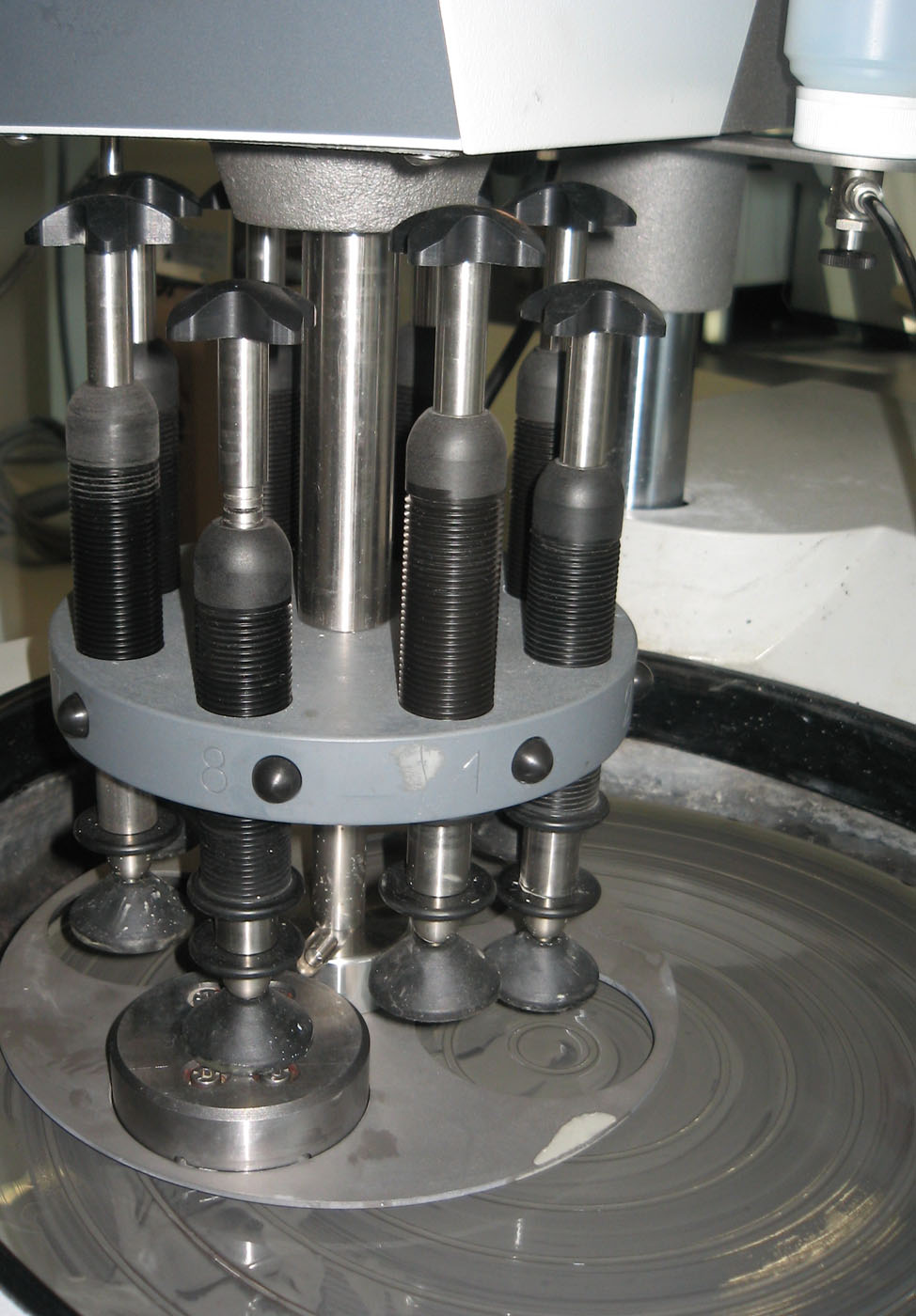
Grinding or lapping of thin sections
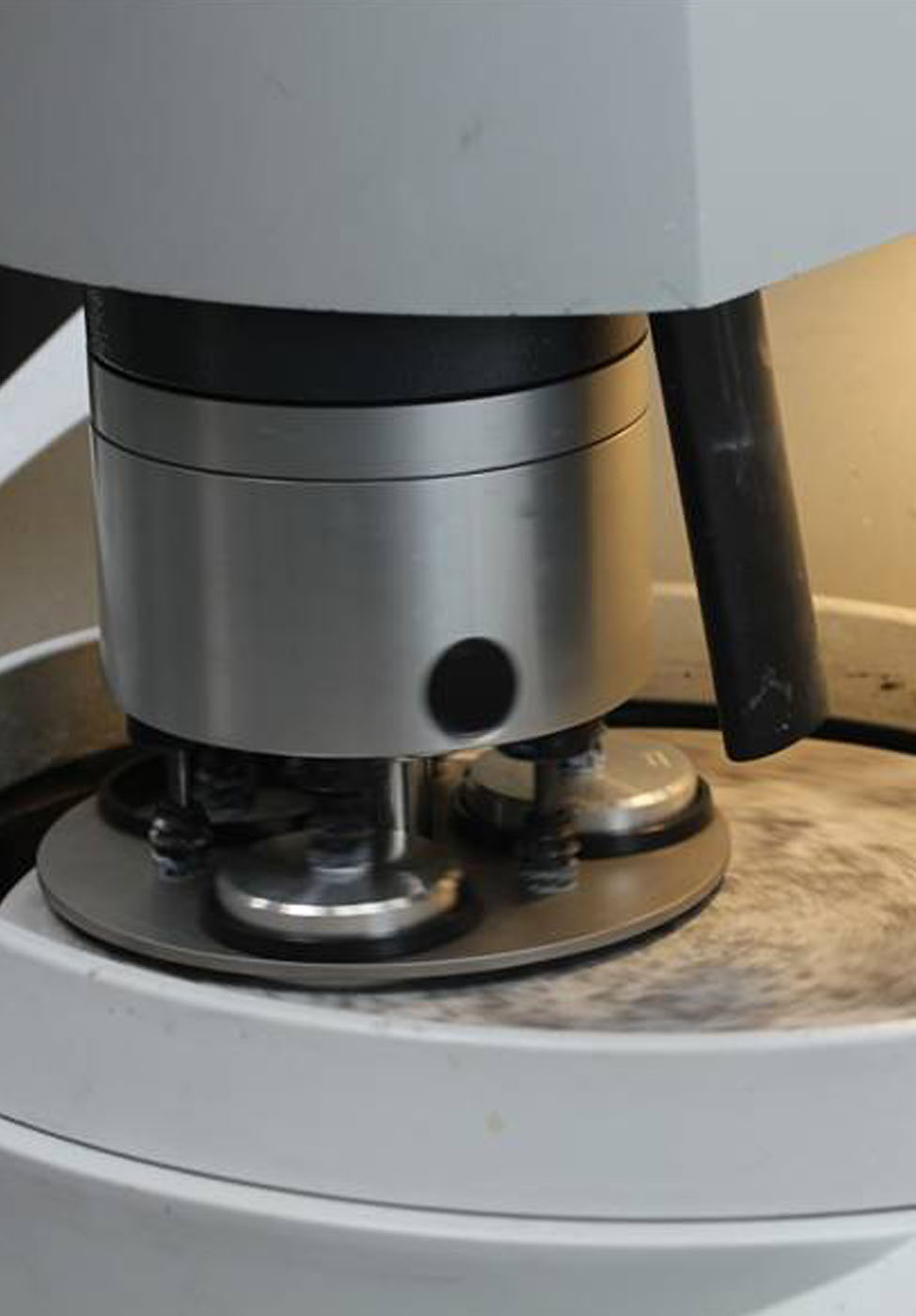
Polishing of thin sections
How to Do Polished Blocks/Mounts
The preparation of polished blocks/mounts is similar to the preparation of other materials. The procedures related to cutting in special specimen sizes, gluing to glass slides, etc. is excluded from the workflow. These types of specimens follow a conventional four-step process, where parameters and consumables in each step are carefully selected in accordance to the type of material.
1. Cutting to manageable specimen size and geometry
2. Mounting if required for reaching manageable geometry or for specimen protection.
3. Grinding/lapping to remove surface damage, reach planeness, and prepare surface for polishing.
4. Polishing to reveal the true structure and achieve surface reflectiveness.
Mineralogical Specimen Preparation
Mineralogical specimens are often hard, brittle, porous, and inhomogeneous. They can contain extremely hard and soft phases that require accessories specially developed for these materials.
Struers Mineralogram - “Mineralogy Methods Cube”
The Methods Cube covers standard thin section preparation methods for a wide range of minerals. It was developed in collaboration with GEUS (The Geological Survey of Denmark and Greenland).
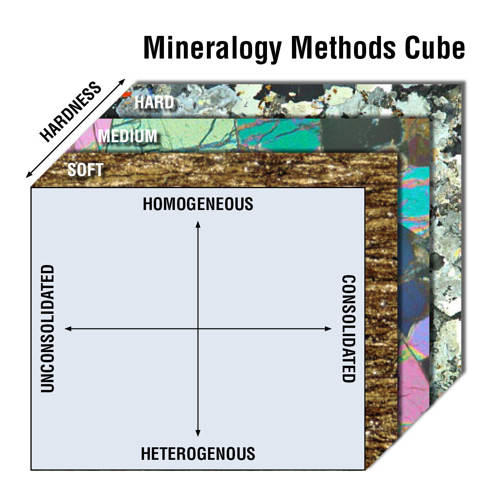
Visualization of our Cube:
- Along with GEUS, it was determined that a cube would provide the best representation of mineral properties. The cube is divided into three two-dimensional squares to make it easy to work with and understand.
- The hardness of rock is a term that can be difficult to handle, because rocks are a kind of “composite” (and a mix of minerals with potentially different hardnesses). Important rock parameters, both alone and in combination with others, are internal structure (column equality, slate-like cleavage), and the extent to which the rock has been subject to pressure, and/or (partially) converted by various liquids or molten rock.
- A rock may encounter isotropic properties that must be assessed for each specimen by looking at the mineral along with the general structure of the rock, and considering whether there are other conditions that may affect the hardness.
To demonstrate our idea, we have displayed ten materials from the list below in sections of the Mineralogram. Three preparation methods are specified to cover the span of materials in the cube. Also a method for reactive or water sensitive materials is given.
How to do mineralogical and thin section preparation
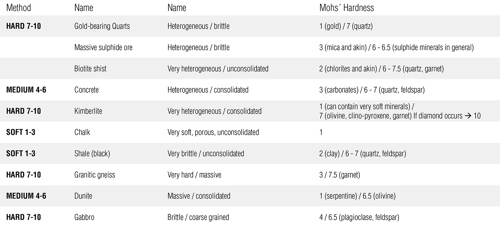
Hardness is defined by the hardest mineral that makes up at least 15% of the rock.
The cube will be divided into three 2D charts, representing three levels of hardness (Mohs)
Soft 1-3
Medium 4-6
Hard 7-10
The homogeneity / heterogeneity of a rock is not determined by smaller or larger mineral content. It is related to the rock face "texture," including the internally related grain size of the minerals and their immediate appearance. To put it simply, one can say that a rock can be characterized as homogeneous if it appears structurally and compositionally uniform in all directions (uniform pattern).
Make something physically stronger and more solid
Consolidated: sticking well together – so the material becomes stronger or more solid/massive.
Interlocked grains, fracture/porous free
Unconsolidated: "loose" – porous - breaks easily – poorly cemented grains, etc.
Homogeneity and heterogeneity are concepts relating to the uniformity in a material.
Homogeneous material is uniform in composition or character – similar properties.
Heterogeneous material is distinctly non-uniform in these qualities.
Partner with the industry expert
No matter what you need, Struers has a solution that fits. Contact us today to start your own optimization process.
Mineralogy and thin sectioning insight | Struers.com
Learn how to prepare rocks, minerals, ceramics and biological specimens for materialographic analysis quickly and accurately – with expertise, tips and insight from Struers, the world’s leading materialographic and metallographic experts.